Table of content
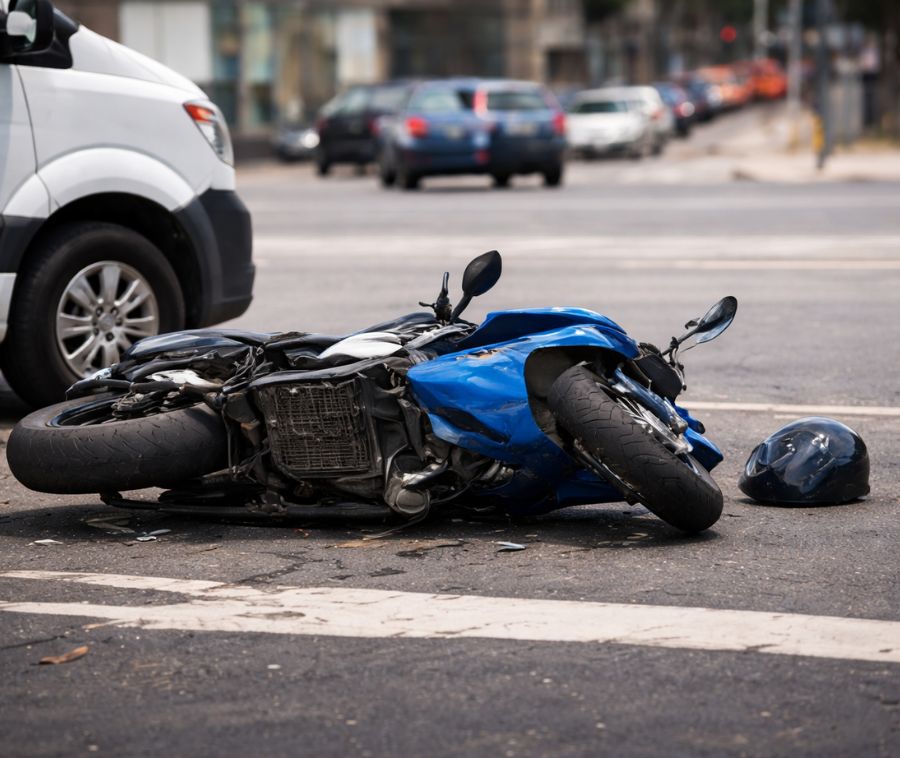
If you ride long enough in Southern California, you’ve seen it happen. A driver drifts into a lane, rushes a left turn, or claims they “didn’t see” the motorcycle until it’s too late.
After the crash, riders are left asking the same question:
Who is at fault when a car hits a motorcycle? And can I still recover compensation if I was partially at fault?
At Shark Law Motorcycle Attorneys, we hear this daily. Riders call with injuries, expensive repairs, missed paychecks, and the fear that one detail—speed, lane splitting, or hesitation—will erase their case.
“We’re not a corporate firm that treats clients like case numbers. We’re part of the motorcycle family, and we fight for riders like we’d fight for our own.”
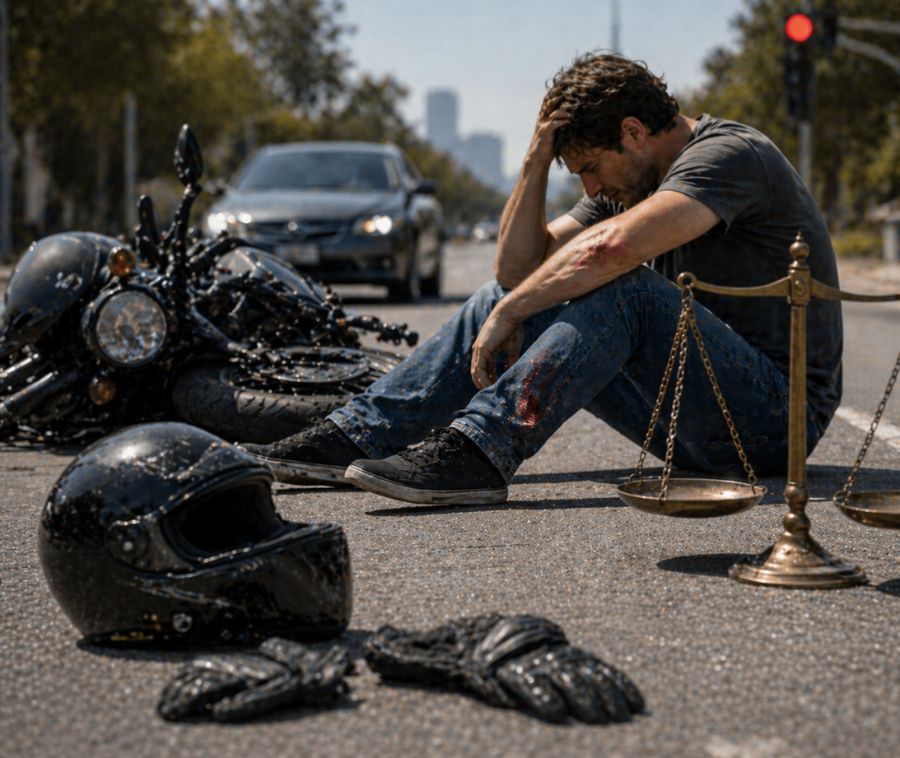
Here’s the truth: being partially at fault does not automatically disqualify you from compensation in California. In many cases, it simply changes the math.
What You Should Know
California follows a legal rule called pure comparative negligence. This means:
- Fault is divided by percentage (for example, driver 80%, rider 20%)
- Your compensation is reduced by your percentage of fault
- You can still recover damages unless you are 100% responsible
This is one of the most common misconceptions riders face. Insurance companies often imply that shared responsibility destroys a claim, because it pressures riders into accepting less.
California law does not work that way. The landmark case establishing this rule is Li v. Yellow Cab Co. (1975).
Why This Matters
Motorcycle crashes are not minor accidents. When fault is disputed in a car versus motorcycle collision, the rider absorbs the impact physically and financially.
Fault directly affects:
- The size of your settlement
- Whether insurance pays quickly or fights the claim
- Your leverage during negotiations
- Whether the case moves toward litigation
Insurance adjusters commonly push narratives such as:
- “You came out of nowhere.”
- “You were lane splitting.”
- “You were speeding.”
- “You should have avoided it.”
Each of these statements is designed to increase your share of blame and reduce what the insurer pays.
Who Is Affected
Fault disputes affect riders across Southern California, especially:
- Daily commuters lane splitting on the 5, 805, and 405
- Weekend riders in Temecula, canyon roads, and coastal highways
- Harley and sportbike riders traveling in groups
- New riders unfamiliar with how quickly fault gets weaponized
In San Diego, Los Angeles, and Orange County, aggressive traffic and distracted driving make these disputes even more common.
When This Becomes a Legal Issue
A crash becomes a true liability dispute when:
- Serious injuries require ongoing medical care
- There is disagreement over how the crash occurred
- The police report is incomplete or biased
- The driver denies responsibility
- The insurer attempts to shift fault onto the rider
This is when a motorcycle accident liability attorney becomes essential—not when things are easy, but when the other side is rewriting the story.
Common Issues Involved
Common Causes of Motorcycle Accidents
- Failure to yield at intersections
- Unsafe lane changes and blind-spot merges
- Left-turn collisions across a rider’s path
- Rear-end impacts in traffic
- Distracted driving (texting, GPS use)
Common Injuries
- Fractures and joint damage
- Traumatic brain injuries
- Road rash requiring grafting
- Back and spinal trauma
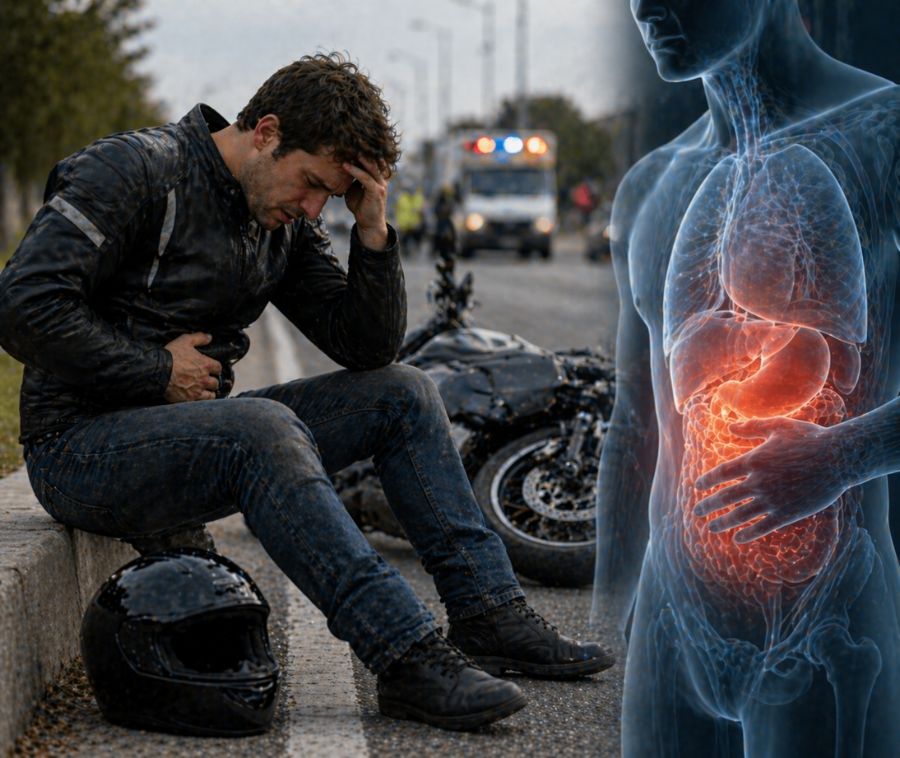
- Internal injuries and bleeding
These injuries form the basis for motorcycle accident compensation, including future medical needs and lost earning capacity.
Fault, Liability, and Insurance Considerations
Lane Splitting and Fault
Lane splitting is legal in California under Vehicle Code 21658.1. However, insurers often blame riders anyway.
Who is at fault when a motorcycle is lane splitting and gets hit depends on how the crash happened and whether the driver made an unsafe move.
Comparative Negligence in Real Numbers
Example:
- Total damages: $200,000
- Rider fault: 25%
- Potential recovery: $150,000
This is how comparative negligence works in real motorcycle accident cases. A small shift in fault percentage can mean tens of thousands of dollars.
How Insurance Determines Fault
Insurance companies review:
- Police reports
- Statements made at the scene
- Photos and vehicle damage
- Video footage (dashcams, traffic cameras)
- Witness credibility
They also interpret evidence through a bias that motorcycles are inherently risky. That bias costs riders money.
“What matters is how the crash happened, who caused it, and how the law applies to your specific injuries.”
What to Do After a Motorcycle Accident
- Call 911 and request medical evaluation
- Take photos of vehicles, debris, skid marks, and injuries
- Collect witness names and phone numbers immediately
- Ask when and how the police report will be available
- Do not admit fault, even casually
- Seek treatment the same day if possible
- Contact a lawyer before giving a recorded statement
How a Motorcycle Accident Lawyer Can Help
A strong motorcycle accident attorney does more than file paperwork. They protect you from unfair blame.
Legal support can include:
- Preserving evidence quickly
- Analyzing crash dynamics
- Challenging biased fault assignments
- Negotiating medical liens
- Documenting damages, including pain and suffering
- Preparing litigation if insurers refuse to be fair
If the insurer is pushing shared blame, the right legal strategy can protect the truth and the outcome.
FAQs
- Can a motorcyclist be partially at fault and still recover compensation?
- Yes. California uses pure comparative negligence, so compensation is reduced by fault percentage, not eliminated.
- Who is at fault if a car turns left and hits a motorcycle?
- Often the driver, because left-turning vehicles must yield. Evidence is critical.
- Who is at fault if a car changes lanes and hits a motorcycle?
- This is commonly an unsafe lane change, especially when blind spots are not checked.
- Is the car always at fault when hitting a motorcycle?
- No. Fault depends on traffic laws, behavior, and evidence.
- How long do I have to file a motorcycle accident claim in California?
- Generally two years for personal injury lawsuits, with limited exceptions.
Talk to Shark Law Motorcycle Attorneys Today
If you’re dealing with fault disputes or worried the insurance company will blame you unfairly, do not negotiate alone.
Get a Free Consultation with Shark Law Motorcycle Attorneys. We evaluate fault, preserve key evidence, and fight to maximize recovery—even when partial responsibility is alleged.