Table of content
Meta Description: Injured in a motorcycle accident without a helmet? A California motorcycle accident lawyer explains fault, helmet laws, and your right to compensation.
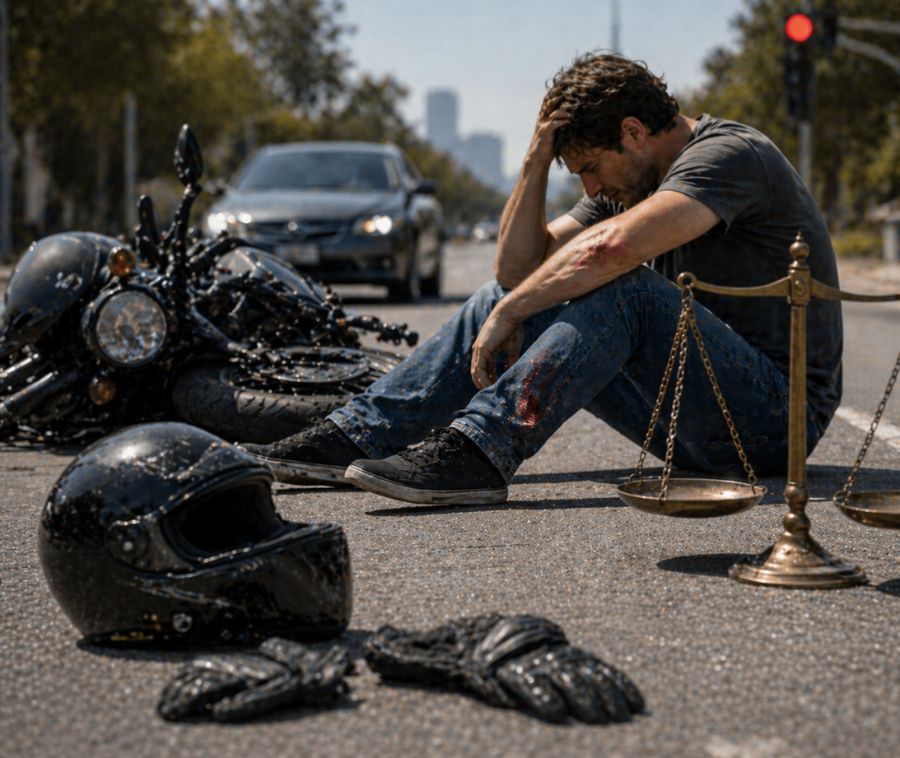
Few moments are more overwhelming than the aftermath of a motorcycle crash. Between the pain, the medical bills, and the questions racing through your mind, one concern often rises to the top: Do I still have a case if I wasn’t wearing a helmet?
Many injured riders hesitate to call a motorcycle accident lawyer because they assume not wearing a helmet automatically disqualifies them from compensation. In California, that assumption is often wrong.
“Not wearing a helmet does not erase your rights,” says Robert Vetchtein, Founding Partner of Shark Law Motorcycle Attorneys. “What matters is how the crash happened, who caused it, and how the law applies to your specific injuries.”
If you were involved in a motorcycle accident without a helmet, understanding how California law treats these cases can make the difference between walking away from rightful compensation and protecting your future.
What You Should Know
California has some of the strictest helmet laws in the country. Under California Vehicle Code 27803, all motorcycle riders and passengers are required to wear an approved helmet.
However, failing to follow that law does not automatically make you at fault for a crash.
In a motorcycle accident without a helmet, the legal analysis focuses on two separate questions:
- Who caused the accident?
- Did not wearing a helmet contribute to the severity of the injuries?
A skilled motorcycle accident lawyer in California separates liability for the crash from responsibility for specific injuries. These distinctions are critical in motorcycle helmet injury claim cases in California.
Why This Matters
Insurance companies often seize on helmet use as a way to reduce payouts. Riders are frequently told they have no case or that compensation will be denied entirely.
That is rarely true.
“Insurance adjusters want riders to blame themselves,” Vetchtein explains. “But California law does not allow them to avoid responsibility just because someone wasn’t wearing a helmet.”
Understanding how helmet laws affect motorcycle accident cases in California can help injured riders push back against unfair denials and low settlement offers.
Who Is Affected
This issue impacts a wide range of riders, including:
- Riders injured by distracted or reckless drivers
- Passengers involved in motorcycle crashes
- Riders struck while stopped or traveling lawfully
- Motorcyclists injured in multi-vehicle collisions
If you are asking, can I sue if I wasn’t wearing a helmet in a motorcycle accident, you are not alone.
When This Becomes a Legal Issue
Helmet use becomes legally relevant when injuries involve the head, neck, or brain. In these situations, insurance companies may argue comparative fault.
California follows a pure comparative negligence system. This means:
- You can still recover compensation even if you share some responsibility
- Your recovery may be reduced by the percentage of fault assigned to you
For example, a jury may find that another driver caused the crash, but that helmet non-use worsened specific injuries. This does not eliminate your claim; it adjusts how damages are calculated.
Common Issues Involved
Causes
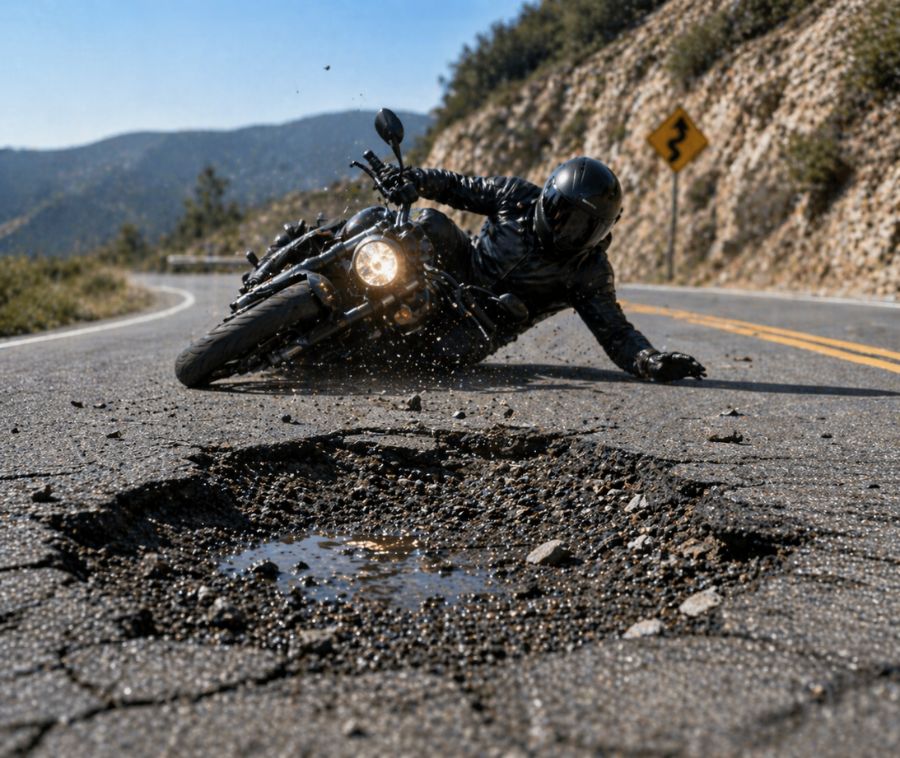
Motorcycle crashes without helmets are commonly caused by negligent driver behavior, including:
- Distracted driving
- Unsafe lane changes
- Failure to yield
- Speeding
- Left-turn collisions
Helmet use does not cause accidents. Negligent drivers do.
Injuries
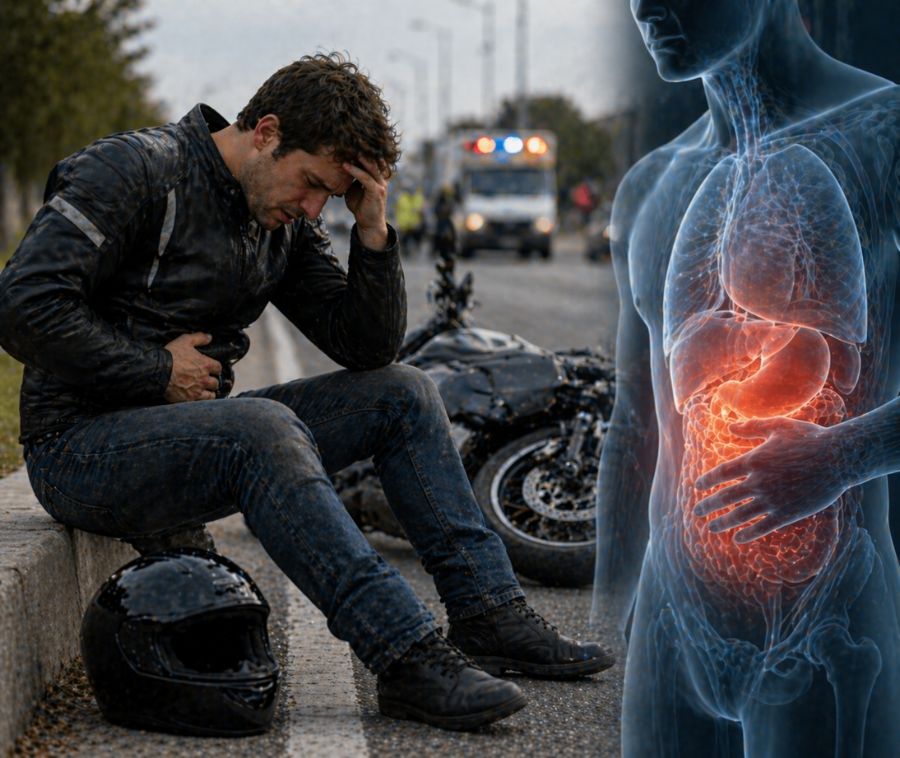
In a not-wearing-a-helmet motorcycle accident, injuries may include:
- Traumatic brain injuries
- Skull fractures
- Facial injuries
- Neck and spinal damage
- Internal injuries unrelated to head trauma
A motorcycle injury claim without a helmet can still include compensation for non-head-related injuries, lost income, medical costs, and long-term care.
Fault, Liability, and Insurance Considerations
Insurance companies often argue:
- You are fully at fault for your injuries
- Compensation should be drastically reduced
- Helmet non-use eliminates claims entirely
These arguments are often misleading.
“Fault for the crash and responsibility for injuries are not the same thing,” says Vetchtein. “We break those arguments apart and hold drivers accountable.”
What to Do After a Motorcycle Accident
If you were injured in a motorcycle crash without a helmet:
- Seek immediate medical care
- Document injuries thoroughly
- Obtain a police report
- Avoid recorded insurance statements
- Preserve photos, gear, and witness information
- Contact a motorcycle accident lawyer as soon as possible
How a Motorcycle Accident Lawyer Can Help
A lawyer experienced in helmet-related motorcycle cases can:
- Investigate crash causation independently
- Separate liability from injury severity
- Work with medical experts
- Counter insurance blame tactics
- Maximize compensation under California law
“We ride. We understand the risks and the realities,” Vetchtein says. “Our job is to protect injured riders when the system tries to blame them.”
FAQs
- Do I still have a case if I wasn’t wearing a helmet?
- Yes. You may still have a valid claim if another party caused the crash.
- Am I at fault for a motorcycle accident without a helmet?
- No. Helmet use does not determine who caused the accident.
- Does not wearing a helmet affect compensation?
- It may affect damages related to head injuries, but it does not eliminate your claim.
- Can insurance deny a motorcycle claim for no helmet?
- They may try, but denial is not automatic or always lawful.
- How do helmet laws affect motorcycle accident cases in California?
- They influence injury arguments, not the right to pursue compensation.
Talk to a Motorcycle Accident Attorney Today
If you were injured in a motorcycle accident without a helmet, do not assume you have no case. California law is more nuanced than insurance companies suggest.
Get a Free Consultation with Shark Law Motorcycle Attorneys today.