Table of content
What Happens If Both Riders Share Fault in a Motorcycle Accident
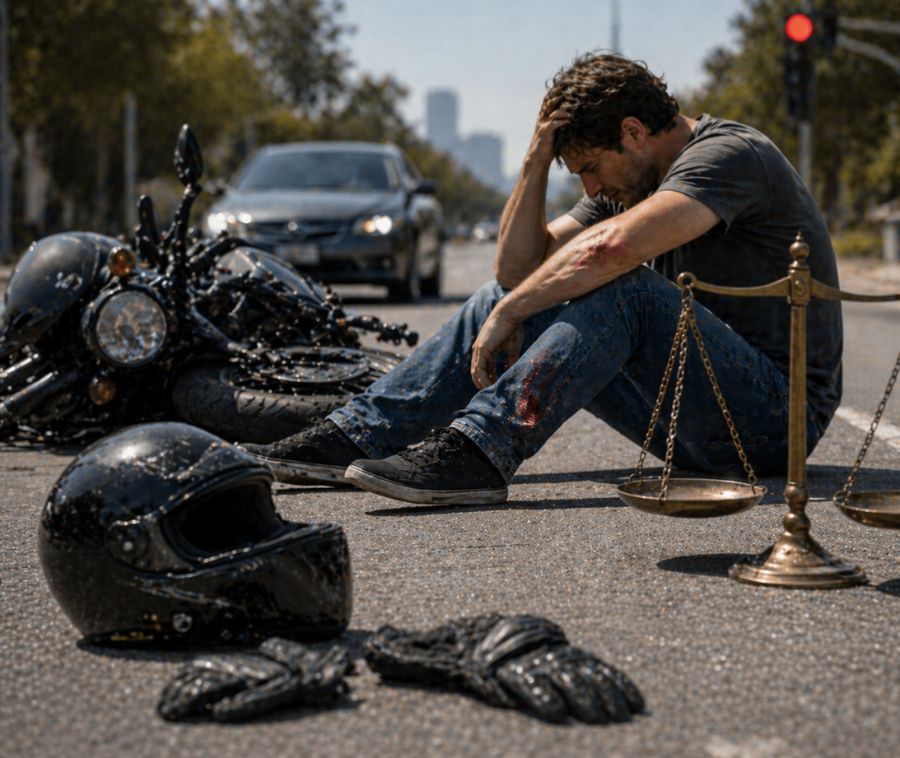
Not every motorcycle accident is clear-cut.
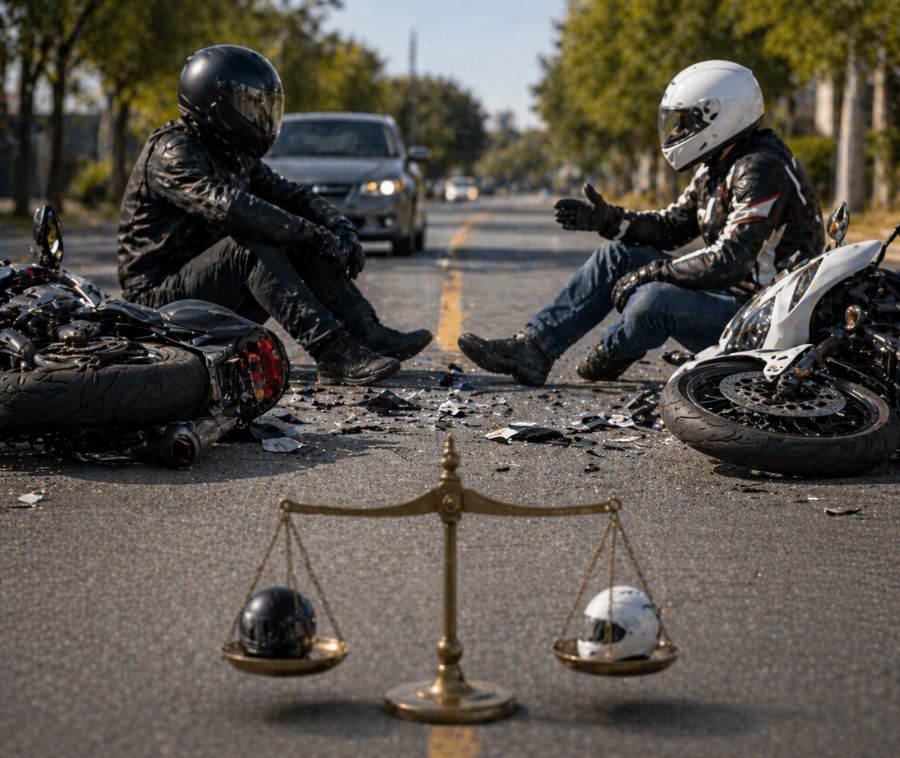
Sometimes both parties involved share some level of responsibility. A driver may make an unsafe move, but the rider may also have been speeding or unable to react in time.
This is where motorcycle accident fault becomes more complex.
In California, shared fault does not automatically prevent you from recovering compensation. However, it can significantly impact the outcome of your case.
At Shark Law Motorcycle Attorneys, these situations are handled with precision. Founding attorney Robert Vetchtein explains, Shared fault cases are not about assigning blame. They are about accurately understanding what happened and protecting the rider’s right to recover.
If you have been involved in a crash where fault is disputed, knowing how the law applies is essential.
What You Should Know
California follows a legal principle called comparative negligence.
This means fault can be divided between all parties involved in an accident.
For example:
- A driver may be found 70 percent at fault for making an unsafe turn
- A rider may be found 30 percent at fault for speeding
In this scenario, the rider can still recover compensation, but the total amount is reduced by their percentage of fault.
This is a key factor in any motorcycle accident claim involving shared liability.
Why This Matters
Shared fault directly affects how much compensation you can receive.
It matters because:
- Insurance companies often try to increase your percentage of fault
- Even small shifts in fault percentages can impact your recovery
- Without legal guidance, you may accept less than you deserve
Robert Vetchtein notes, Insurance companies are not neutral. They are motivated to assign as much fault to the rider as possible.
Understanding how motorcycle accident fault is calculated can help you avoid costly mistakes.
Who Is Affected
Shared fault cases can affect many types of riders and accident scenarios.
Common situations include:
- Intersection accidents involving misjudgment by both parties
- Lane changes where both driver and rider contribute to the collision
- Rear-end accidents involving sudden stops
- Multi-vehicle crashes with complex liability
In Southern California, dense traffic and high-speed roadways increase the likelihood of shared fault disputes.
Even experienced riders can find themselves in situations where liability is not immediately clear.
When This Becomes a Legal Issue
Shared fault becomes a legal issue when there is disagreement about who caused the accident and to what extent.
This often happens when:
- The driver claims the rider was speeding
- The rider claims the driver failed to yield
- Witness accounts conflict
- Insurance companies dispute liability
In these cases, determining motorcycle accident fault requires a detailed investigation.
Without proper representation, riders risk being unfairly assigned a higher percentage of fault.
Common Issues Involved
Causes
Shared fault often arises from a combination of factors.
Common causes include:
- Driver negligence combined with rider speed
- Unsafe lane changes by both parties
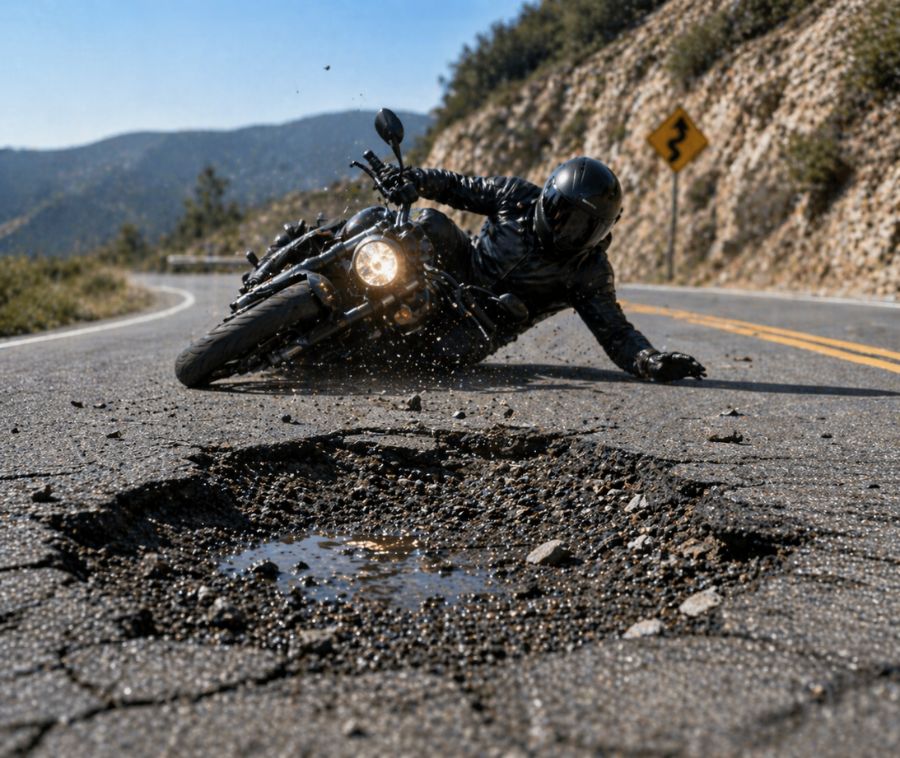
- Limited visibility or poor road conditions
- Miscommunication between driver and rider actions
These situations rarely have a single cause, making liability more complex.
Injuries
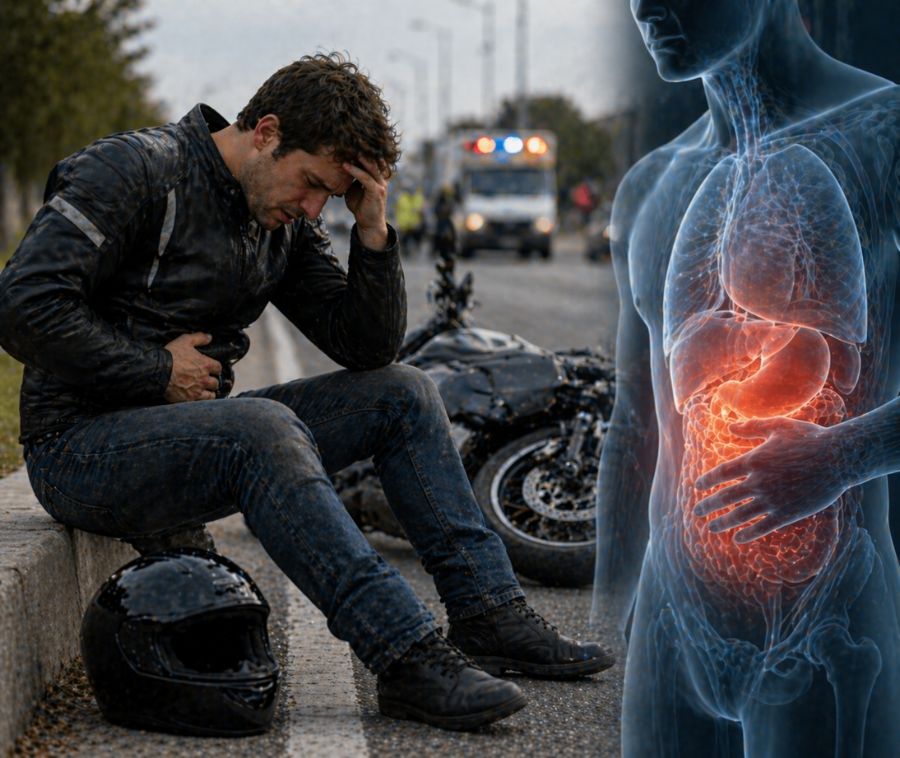
Even when fault is shared, injuries can be severe.
Common injuries include:
- Head and brain trauma
- Broken bones
- Soft tissue injuries
- Spinal damage
Regardless of fault, injured riders still have the right to pursue compensation for their losses.
Fault, Liability, and Insurance Considerations
In a shared fault motorcycle accident, liability is divided based on each party’s contribution to the crash.
Insurance companies will:
- Investigate the accident
- Review evidence and statements
- Assign a percentage of fault to each party
However, their goal is often to minimize payouts.
They may attempt to:
- Overstate the rider’s responsibility
- Downplay driver negligence
- Pressure you into accepting a low settlement
A motorcycle accident attorney can challenge these tactics.
Robert Vetchtein explains, Our job is to ensure that fault is assigned fairly and that riders are not penalized beyond their actual involvement.
What to Do After a Motorcycle Accident
If you believe fault may be shared, your actions after the accident are especially important.
Immediately after the crash:
- Seek medical attention
- Call law enforcement
- Document the scene with photos and videos
- Collect witness information
After leaving the scene:
- Avoid admitting fault or speculating about what happened
- Keep detailed records of injuries and treatment
- Do not communicate directly with insurance adjusters without legal advice
- Contact a motorcycle accident lawyer in California
Early legal support can help protect your claim and prevent misrepresentation of fault.
How a Motorcycle Accident Lawyer Can Help
Shared fault cases require strategic legal representation.
At Shark Law Motorcycle Attorneys, the focus is on minimizing the rider’s percentage of fault and maximizing recovery.
A motorcycle accident attorney can:
- Conduct a thorough investigation
- Work with accident reconstruction experts
- Analyze traffic laws and right of way rules
- Negotiate with insurance companies
- Advocate for fair compensation
Robert Vetchtein emphasizes, Even if a rider shares some responsibility, they still deserve a strong advocate who will fight for what is fair.
FAQs
- Can I still get compensation if I am partially at fault?
- Yes. California’s comparative negligence law allows you to recover compensation even if you share fault.
- How is fault determined in a motorcycle accident?
- Fault is determined based on evidence, including police reports, witness statements, and accident reconstruction.
- Will my compensation be reduced?
- Yes. Your compensation is reduced by your percentage of fault.
- Should I admit fault at the scene?
- No. Avoid making statements about fault until all facts are reviewed.
- Do I need a motorcycle accident attorney for a shared fault case?
- Yes. These cases are complex and require experienced legal guidance.
Get a Free Consultation
If you were involved in a motorcycle accident where fault is being disputed, do not leave your case in the hands of insurance companies.
Talk to a motorcycle accident attorney who understands riders, liability, and California law.
Contact Shark Law Motorcycle Attorneys today to protect your rights and your recovery.
If you’re ready to speak to a motorcycle attorney who is also a rider, we are by your side.
150-Character Excerpt
Shared fault in a motorcycle accident does not end your claim. Learn how California law impacts compensation and your rights.
Instagram Caption
What if you are partially at fault in a motorcycle accident?
Does that mean you lose your case?
Not in California.
Understanding comparative negligence can protect your compensation.
If you ride, this is something you need to know.
Read more or connect with a motorcycle accident attorney through the link in bio.