Table of content
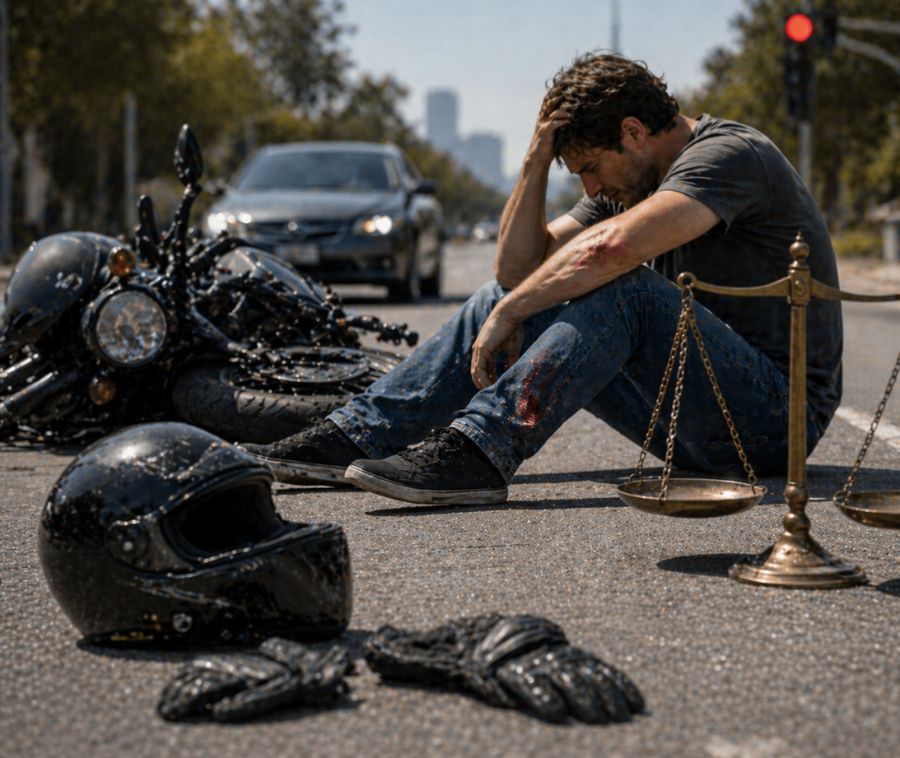
In the minutes after a motorcycle crash, your body is running on adrenaline. You might feel “okay” at first. You might be more worried about your bike than your bruises. And you definitely don’t want to be the rider lying in the road while traffic stacks up behind you.
But here’s what most riders don’t realize until it’s too late: the evidence starts disappearing the second the crash ends.
Skid marks fade. Vehicles get moved. Witnesses leave. Surveillance footage gets overwritten. Even the way your injuries evolve over the next 48 hours can become a legal battleground.
“Evidence is the difference between an insurance company calling it ‘your word against theirs’ and proving what actually happened.”
If you want to protect your rights and your recovery, learning how to preserve evidence after a motorcycle crash is one of the smartest things you can do.
What You Should Know
Motorcycle accident evidence is not just helpful, it is foundational. Insurance companies do not evaluate claims based on pain alone. They evaluate proof.
That proof usually falls into five core categories:
- Scene evidence: photos, road conditions, debris, skid marks
- Vehicle evidence: damage patterns on the motorcycle and other vehicles
- Human evidence: witness statements and driver admissions
- Official evidence: police reports and dispatch records
- Medical evidence: ER notes, imaging, diagnoses, treatment plans
Preserving these elements dramatically increases your leverage during settlement negotiations and protects you if fault is disputed.
Why This Matters
Riders already face bias. Insurance adjusters often assume motorcycles equal risk-taking and quietly assign blame before reviewing all facts.
Without strong evidence preservation, insurers may claim:
- They cannot confirm the driver caused the crash
- There is not enough proof of impact
- Your injuries are unrelated or exaggerated
- You were going too fast or appeared suddenly
Documentation pushes back against these arguments. Evidence is how you show the crash was preventable negligence, not bad luck.
Who Is Affected
This affects every rider, but especially:
- Commuters lane splitting in stop-and-go traffic
- Riders hit during left turns or unsafe lane changes
- Motorcyclists struck in intersections
- New riders unsure what to do after a crash
- Injured riders accused of partial fault
In Southern California’s dense traffic conditions, disputes are common, which makes evidence even more critical.
When This Becomes a Legal Issue
Evidence becomes legally critical when:
- You suffer serious injuries and medical bills increase
- The driver denies fault
- Witnesses disagree
- The police report is incomplete or inaccurate
- The insurer argues shared fault to reduce payment
California follows pure comparative negligence, meaning you can still recover compensation even if you were partially at fault. Proof determines how strong that recovery will be.
Common Issues Involved
Common Causes of Motorcycle Crashes
- Unsafe lane changes
- Left turns across a rider’s path
- Failure to yield
- Rear-end collisions
- Driver distraction (phones, GPS, eating)
Lane splitting is legal in California, yet insurers often misuse it to argue blame.
Common Injuries
- Fractures and torn ligaments
- Head and neck trauma
- Spinal injuries
- Road rash requiring grafting
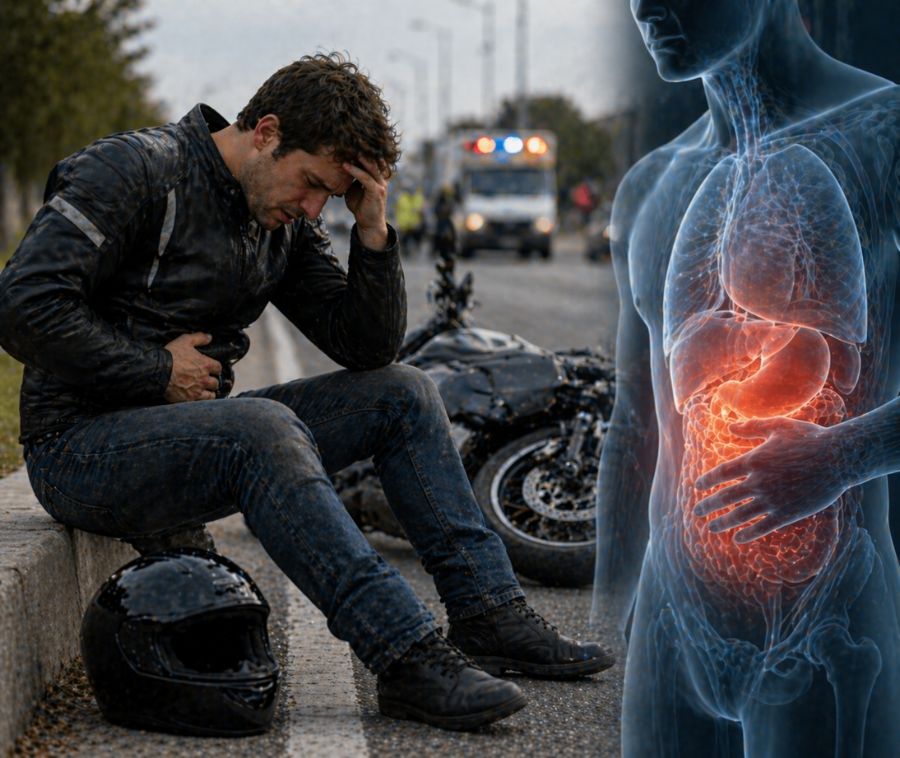
- Internal injuries
This is why hospital records after a motorcycle accident are so important. Medical documentation connects injuries directly to the crash.
Fault, Liability, and Insurance Considerations
Insurance companies do not just ask what happened. They ask what they can argue.
Evidence should always serve two purposes:
- Proving fault
- Proving damages
Motorcycle Accident Photos
Your photos should include:
- Wide shots of the entire scene
- Vehicle positions before movement
- Skid marks and debris
- Traffic signals and signage
- Visibility issues such as sun glare
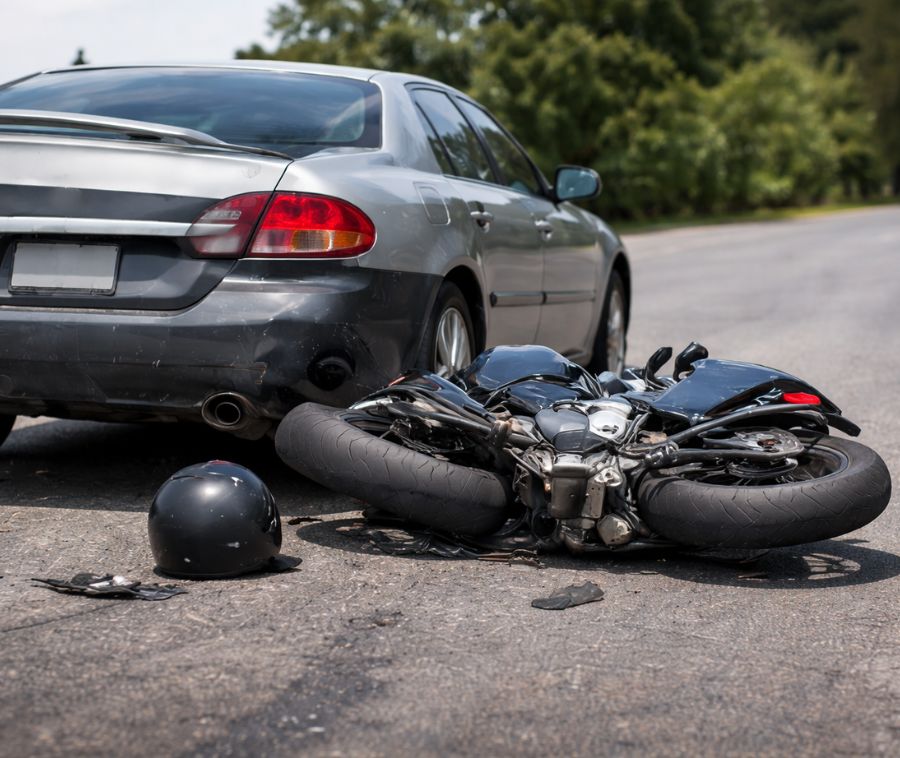
- Your helmet, clothing, and protective gear
- Close-ups of vehicle damage
- Injury photos updated daily for 1–2 weeks
If possible, record a short video walk-through narrating street names and events.
Motorcycle Accident Witness Statements
Witnesses leave quickly. Collect:
- Full name
- Phone number
- Email address
- A brief recorded statement, if they agree
Even one neutral witness can eliminate a “he said, she said” dispute.
Hospital Records After a Motorcycle Accident
Delaying care allows insurers to argue:
- You were not seriously injured
- The injuries are unrelated to the crash
- The pain came from another cause
Seek immediate medical attention and follow through with all recommended care.
What to Do After a Motorcycle Accident
- Call 911
- Request police response and report number
- Photograph everything before vehicles move
- Collect witness information
- Record the driver’s insurance and plate number
- Avoid apologizing or guessing fault
- Do not give recorded insurance statements
- Seek medical care immediately
- Keep all receipts and discharge paperwork
- Contact a motorcycle accident attorney early
How a Motorcycle Accident Lawyer Can Help
A rider-focused legal team builds proof from day one. A motorcycle accident lawyer can:
- Secure surveillance footage before deletion
- Request body cam and dispatch logs
- Preserve vehicle damage evidence
- Obtain complete hospital and imaging records
- Work with crash reconstruction experts
- Prevent insurance pressure and lowball settlements
“If we lock down evidence early, we protect the value of your case from the start.”
FAQs
- What evidence should I collect after a motorcycle accident?
- Photos, witness contact information, a police report number, video footage, and medical records are most valuable.
- How do I get a motorcycle accident police report in California?
- You can request it from the responding agency using the report number.
- Can I still file a claim without photos?
- Yes, but it is harder. Witnesses, medical documentation, and official records become critical.
- How does insurance evaluate motorcycle accident evidence?
- They compare damage, statements, police reports, and medical records to determine fault and payout.
- How long do I have to file a claim in California?
- Most personal injury cases must be filed within two years under California law.
Talk to Shark Law Motorcycle Attorneys Today
Evidence does not preserve itself. It disappears quickly, and insurance companies use missing proof to pay less.
Get a Free Consultation with Shark Law Motorcycle Attorneys. We help riders preserve evidence, protect medical documentation, and build strong cases from day one.