Table of content
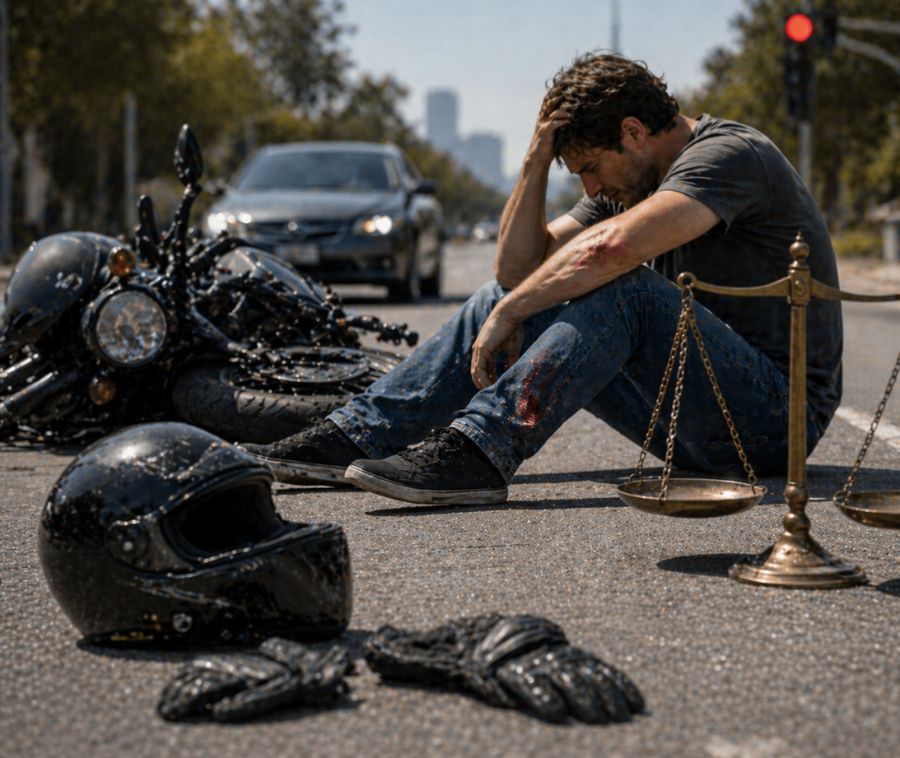
If you’ve been hit on your bike, you already know the first impact isn’t always the worst one.
For many injured riders, the second collision happens days later, when the insurance company starts calling, asking loaded questions, or implying you “must have been speeding.” Suddenly, you’re not just recovering from injuries. You’re defending your character.
This is exactly why insurance companies blame motorcyclists so often. It’s a calculated strategy. If they can shift fault onto the rider, they can reduce a settlement, dispute liability, or justify denying a motorcycle crash claim altogether.
“Insurance companies know motorcycle cases create bias. They lean on stereotypes because it’s cheaper to blame the rider than to pay what the claim is truly worth.”
Below is what riders need to know about motorcycle accident insurance tactics, how insurers build their defense, and how to protect your case, even if fault is disputed.
What You Should Know
A motorcycle crash claim is rarely evaluated the same way as a car crash claim. Riders are exposed, injuries are often severe, and adjusters frequently assume risk-taking behavior before reviewing the facts.
The motorcycle accident insurance investigation process is often aggressive and adversarial. The objective is not to find the truth, but to find justification for:
- Denying the motorcycle accident claim
- Issuing a low settlement offer
- Arguing shared or rider fault
- Minimizing injuries
- Delaying payment
Many riders do not realize they are being evaluated from the very first phone call. Statements made early are often framed later as admissions.
Why This Matters
The reason this matters is simple: blame reduces money.
California follows a pure comparative negligence system. This means an injured rider can still recover compensation even if they were partially at fault, but the recovery is reduced by their percentage of fault.
“A small shift in fault can save an insurance company tens of thousands of dollars. That’s why rider blame is pushed so aggressively.”
Even assigning 10–30% of the blame to the rider can significantly reduce a motorcycle accident settlement.
Who Is Affected
These blame tactics are not limited to any single type of rider. They are used against:
- Commuters lane splitting legally in traffic
- Older riders on touring motorcycles
- Riders hit while stopped at traffic lights
- Motorcyclists struck during unsafe left turns
- Riders sideswiped during lane changes
In California, motorcycles are still widely misunderstood, and insurers exploit that bias.
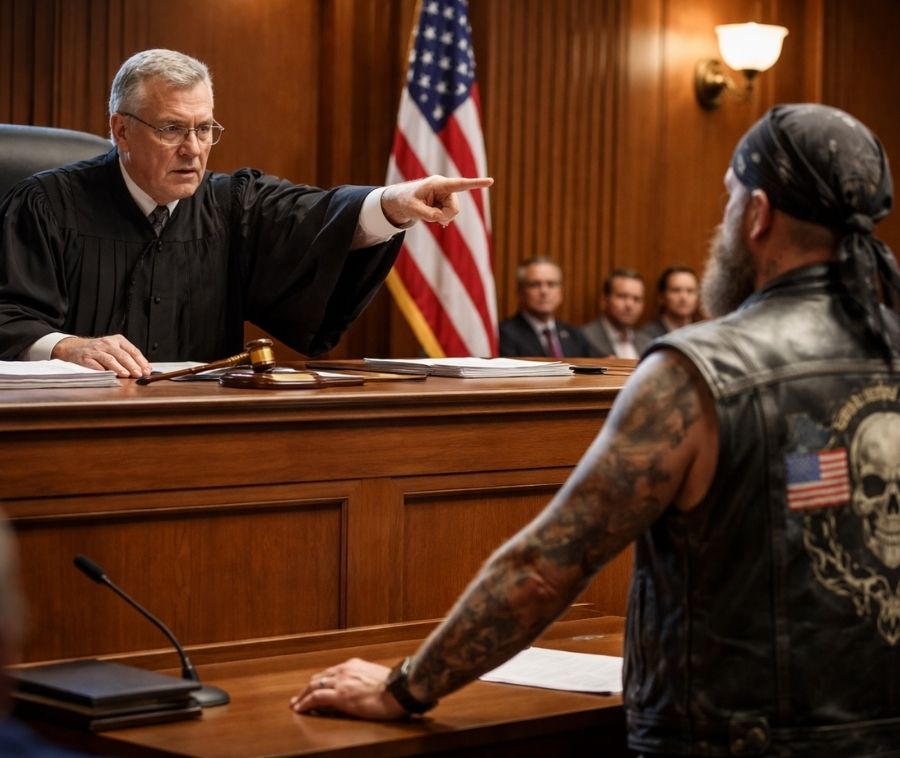
When This Becomes a Legal Issue
A motorcycle crash becomes a legal issue the moment an insurer:
- Disputes fault
- Challenges injury severity
- Delays or denies payment
- Pressures you into recorded statements
- Claims treatment was unnecessary
In California, most personal injury lawsuits must be filed within two years of the injury date, with limited exceptions.
Common Issues Involved
Common Blame-Shifting Arguments
Insurance defense strategies often repeat the same themes:
- “The rider was speeding.”
- “The rider came out of nowhere.”
- “The rider was lane splitting dangerously.”
- “The rider should have seen the car.”
- “The rider wasn’t visible.”
- “The rider lacked proper gear.”
Notice what’s often missing: what the driver did wrong.
Injury and Credibility Attacks
Because motorcycle injuries can be complex, insurers frequently challenge the rider’s credibility by claiming:
- The injury is exaggerated
- The pain is subjective
- The condition is pre-existing
- Treatment is excessive
These are financial tactics, not medical opinions.
Fault, Liability, and Insurance Considerations
Tactic 1: Speed Allegations
Insurers often imply speed without proof. Motorcycles accelerate faster, and witnesses frequently misjudge motorcycle speed.
Tactic 2: Misusing Lane Splitting
Lane splitting is legal in California when performed safely. Insurers often twist this into an argument that the rider caused the crash, even when a driver made an unsafe move.
Tactic 3: Helmet and Gear Arguments
California requires helmets for riders and passengers. Insurers use helmet and gear issues to argue injury severity or assumed risk, even when unrelated to crash causation.
Tactic 4: Pre-Existing Injury Claims
Prior medical history is frequently used to discount legitimate injuries. Old pain becomes the “real cause” in the insurer’s narrative.
Tactic 5: Social Media Surveillance
Insurance companies monitor social media for photos or posts that can be framed as evidence you are not injured.
Tactic 6: Fast Lowball Offers
Early settlement offers are often designed to close claims before the full medical picture is known, cutting off future compensation.
What to Do After a Motorcycle Accident
- Seek medical care immediately
- Avoid recorded insurance statements
- Preserve your helmet, gear, and motorcycle
- Document the scene and injuries
- Request the full police report
- Limit social media activity
- Contact a motorcycle accident attorney early
How a Motorcycle Accident Lawyer Can Help
Legal representation is critical when insurers attempt to shift blame. An experienced motorcycle accident lawyer can:
- Control insurer communications
- Investigate and preserve evidence
- Challenge biased fault narratives
- Document damages properly
- Negotiate from a position of leverage
- Litigate when necessary
“When we step in, the tone changes. Insurers know the case will be proven.”
FAQs
- Why do insurance companies blame motorcyclists?
- Because shifting blame reduces payouts, even when the rider was injured.
- What if my motorcycle accident claim is denied?
- Denials are often strategic. A lawyer can review, appeal, or pursue litigation.
- Can I recover compensation if I was partially at fault?
- Yes. California allows recovery under pure comparative negligence.
- How should I respond to a low settlement offer?
- Do not accept it without legal review. Early offers often undervalue claims.
- Do insurers investigate social media?
- Yes. Posts may be used to challenge injury severity.
Talk to Shark Law Motorcycle Attorneys Today
If the insurance company is already building a case against you, do not wait until your claim is minimized or denied.
Get a Free Consultation today. Speak with a motorcycle accident attorney who understands riders and refuses to let insurers rewrite the story.